Community board approval is a mandatory local review step for most New York City liquor license applications. The board evaluates your business plan, location, and community impact before the state can issue the license. Gerald Franklin Agency manages this complex local process for clients across the five boroughs, ensuring your application meets all specific district requirements.
The Role of the Community Board
Community boards are the local government bodies that represent the neighborhoods of New York City. Each of the 59 community boards has the authority to review and comment on liquor license applications within its district. This process is designed to ensure that new alcohol establishments align with the character and needs of the local community. The board does not issue the license itself, but its recommendation is a critical part of the state's decision-making process.
The board typically holds a public hearing where residents, business owners, and other stakeholders can voice their opinions. The board then issues a recommendation to the New York State Liquor Authority (SLA). While the SLA makes the final decision, it heavily weighs the community board's input. A negative recommendation can significantly delay or even result in the denial of your license. Understanding this dynamic is essential for any business owner planning to serve alcohol in NYC.
Key Requirements for a Successful Application
To secure a positive recommendation, your application must be thorough and responsive to community concerns. The board looks for evidence that your business will operate responsibly and contribute positively to the neighborhood. This includes detailed plans for noise control, waste management, and security. You must also demonstrate that your establishment will not create a nuisance for nearby residents or businesses.
One concrete example of a requirement is the submission of a detailed business plan that outlines your hours of operation, staffing levels, and marketing strategy. The board wants to see that you have considered the impact of your business on the surrounding area. For instance, if you are opening a bar in a residential neighborhood, you must address how you will manage late-night noise and pedestrian traffic. Failing to provide this information can lead to objections from residents and a negative board recommendation.
The Public Hearing Process
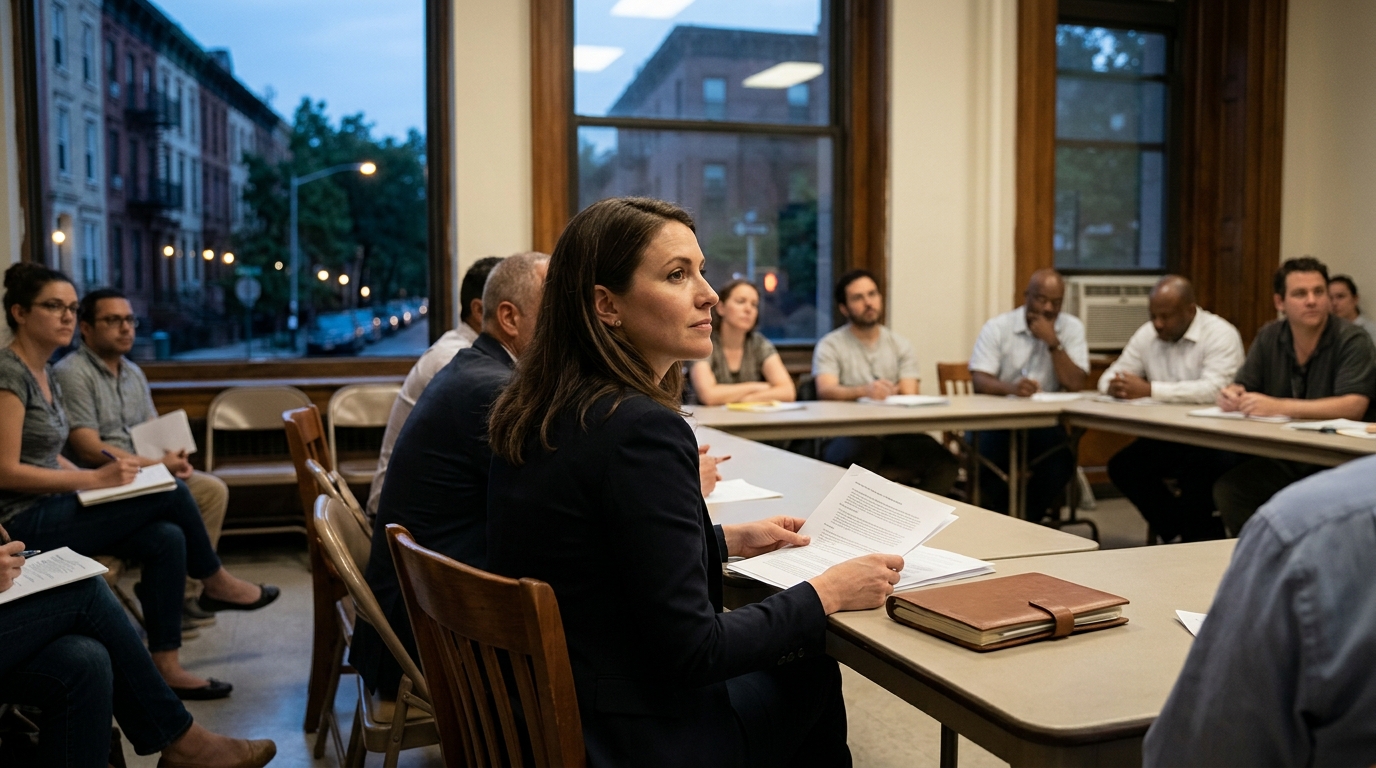
The public hearing is the centerpiece of the community board review. It is an open forum where anyone can speak about your proposed establishment. The hearing is usually scheduled after the initial application is filed with the SLA and the local board. You, or your representative, will be expected to attend and answer questions from the board members and the public. This is your opportunity to present your case and address any concerns directly.
During the hearing, the board will ask specific questions about your business operations. For example, they may ask about your plans for lighting, security cameras, and how you will handle intoxicated patrons. It is crucial to be prepared with clear, concise answers. The board members are looking for a business owner who is knowledgeable, respectful, and committed to responsible operations. A well-prepared presentation can turn a skeptical board into a supportive one.
Managing Objections and Delays
Objections from residents or local businesses are common in the community board process. These objections can range from concerns about noise and safety to worries about increased traffic. When objections are raised, the board may delay its recommendation until the issues are resolved. This can add weeks or even months to your licensing timeline. It is important to have a strategy for addressing these objections before the hearing takes place.
One effective strategy is to engage with the community early in the process. By meeting with neighbors and local business owners before the hearing, you can address their concerns and build support. This proactive approach can reduce the number of objections raised during the public hearing. Gerald Franklin Agency helps clients develop these community engagement strategies, ensuring that your application is well-received by the local stakeholders. This can be the difference between a smooth approval and a prolonged legal battle.
Strategic Considerations for NYC Applicants
Applying for a liquor license in New York City requires a strategic approach to the community board process. The board's recommendation is not just a formality; it is a critical factor in the SLA's final decision. You must treat the community board review with the same seriousness as the state application. This means preparing a comprehensive business plan, engaging with the community, and being ready to answer tough questions at the public hearing.
Consider the specific characteristics of your location when preparing your application. For example, if you are opening a restaurant in a high-traffic area, you must address how you will manage customer flow and parking. The board will want to see that you have a plan for minimizing any negative impact on the neighborhood. By anticipating these concerns and addressing them in your application, you can increase your chances of receiving a positive recommendation. This strategic approach is essential for any business owner looking to succeed in the competitive NYC market.
Key Takeaways
- Community board approval is a mandatory local review step for most NYC liquor licenses.
- The board's recommendation is heavily weighted by the New York State Liquor Authority.
- A detailed business plan addressing noise, security, and community impact is required.
- The public hearing is your opportunity to present your case and answer questions.
- Proactive community engagement can reduce objections and speed up the approval process.
- Objections from residents can delay the licensing timeline by weeks or months.
- Strategic preparation for the board review is essential for a successful application.
Frequently Asked Questions
What is the role of the community board in the liquor license process?
The community board reviews your application and issues a recommendation to the New York State Liquor Authority. Their input is a critical factor in the final decision.
Do I have to attend the public hearing?
Yes, you or your representative are expected to attend the public hearing to answer questions from the board and the public.
How long does the community board review take?
The timeline varies, but it can take several weeks to months depending on the number of objections and the complexity of the application.
What happens if the board issues a negative recommendation?
A negative recommendation can delay or result in the denial of your license. You may have the opportunity to address the concerns and request a re-review.
How can I improve my chances of a positive recommendation?
Prepare a detailed business plan, engage with the community early, and be prepared to answer questions at the public hearing.
Does Gerald Franklin Agency handle the community board process?
Yes, Gerald Franklin Agency manages the entire local process, including community engagement and public hearing preparation, for clients in New York City.
Start Your NYC Licensing Process
Navigating the community board approval process for a New York City liquor license requires expertise and strategic planning. Gerald Franklin Agency provides the guidance and support you need to secure a positive recommendation and open your business on time. to discuss your specific location and business plan.