
Before you file for a Texas liquor license, you must understand that the TABC application process is a multi-layered review involving state, county, and city authorities. It is not a simple form submission. The process requires specific documentation, background checks, and local approvals that can take months. Gerald Franklin Agency helps you navigate this complexity by preparing your file correctly from the start.
Understanding the TABC Structure
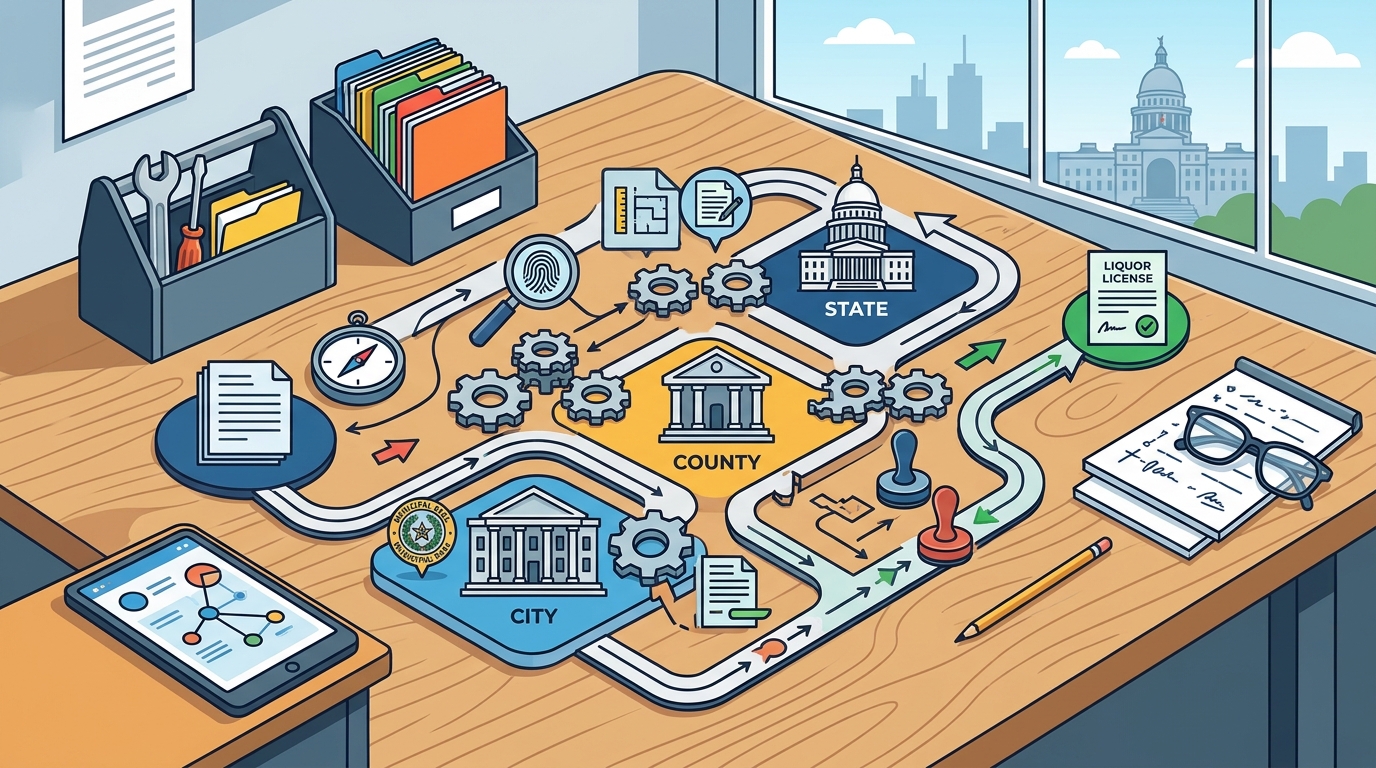
The Texas Alcoholic Beverage Commission, or TABC, is the state agency that regulates the sale and service of alcohol. A TABC permit is the legal authorization that allows a business to sell or serve alcohol in Texas. The application process is not a single step. It is a coordinated effort between the state and local governments. You must satisfy the state requirements and also obtain approval from your local county and city. This dual approval system is the most common source of delay for new applicants.
The state reviews your application for compliance with the Texas Alcoholic Beverage Code. Local authorities review your application for zoning, land use, and community impact. If either level rejects your application, your license is denied. Understanding this structure helps you prepare the right documents for both audiences. It also helps you anticipate the timeline for your specific location.
Required Documentation and Background Checks
Every TABC application requires a specific set of documents. The core requirement is the TABC application form, which must be completed accurately. You must also provide proof of ownership or control of the business. This includes a list of all individuals who own a significant interest in the business. Each of these individuals must undergo a background check. The background check includes a state and federal criminal history report. Any criminal record can affect the outcome of your application.
You must also provide a floor plan of your establishment. The floor plan must show the location of the bar, the dining area, and any storage areas. It must also show the distance from your business to any prohibited locations, such as schools or churches. The TABC uses this floor plan to verify that your business meets the distance requirements. Inaccurate floor plans are a common reason for application rejection. Gerald Franklin Agency prepares these documents to ensure they meet TABC standards.
Local Approvals and Zoning
Local approval is a critical part of the TABC application process. Your business must be zoned for alcohol sales in your city. Zoning rules vary by city and county. Some areas are wet, meaning they allow alcohol sales. Other areas are dry, meaning they do not. You must verify the wet or dry status of your location before you file. If your location is in a dry area, you may not be able to get a license at all. This is a major risk that you must assess before investing in a new business.
Even in wet areas, local authorities have the power to deny your application. They may deny it based on community concerns or zoning violations. You may need to attend a public hearing to present your case. This hearing is an opportunity for neighbors and community members to voice their opinions. A well-prepared application can help you navigate this process. It can also help you respond to any objections that are raised. according to Echinacea What Should
Surety Bonds and Financial Requirements
You must maintain the bond for the first three years of operation. After three years, a clean record may qualify you for release. You must also pay the state filing fee and any local fees. These fees are subject to change. It is important to budget for these costs before you file. Gerald Franklin Agency can issue the required bonds in-house, which speeds up the process.
Timeline and Realistic Expectations
The TABC application process takes time. There is no fixed timeline. The duration depends on the type of permit, the location, and the completeness of your application. A simple application in a wet area may take a few months. A complex application in a dry area or a high-traffic zone can take much longer. You must plan for this timeline when you schedule your opening. Do not assume that you will have your license by your target date. Build in a buffer for delays.
Delays often occur when the application is incomplete or when local authorities have questions. Responding quickly to these questions can help keep your application moving. Ignoring them can cause your application to be rejected. A professional service can help you track the status of your application and respond to any issues. This can save you time and money.
Key Takeaways
- The TABC application process involves both state and local approvals.
- You must provide accurate documentation, including a floor plan and background checks.
- Local zoning and wet/dry status are critical factors in your application.
- Most permits require a surety bond, which must be maintained for three years.
- The timeline is variable and depends on the complexity of your application.
- Working with a professional can help you avoid common mistakes and delays.
Frequently Asked Questions
How long does the TABC application process take?
Timelines vary by permit type and location. Plan for several months, as local approvals and background checks can add time.
Do I need a surety bond for my TABC permit?
Yes, most TABC permits require a conduct surety bond. The amount depends on the permit type and distance to a school.
What is the difference between wet and dry areas?
Wet areas allow alcohol sales, while dry areas do not. You must verify your location's status before filing.
Can I apply for a TABC permit in a dry area?
Generally, no. Dry areas do not allow alcohol sales, so you cannot get a TABC permit there.
Who handles the TABC application process?
You can handle it yourself, but working with a professional like Gerald Franklin Agency can help ensure accuracy and speed.
Start Your Application with Confidence
Understanding the TABC application process is the first step to getting your Texas liquor license. By knowing the requirements, the timeline, and the risks, you can make informed decisions. Gerald Franklin Agency has been helping businesses navigate this process since 1944. Our team of former TABC professionals can prepare your application, secure your bonds, and track your filing to approval. To start your application, .