Alabama is a control state where the state board and local governments share licensing authority. Hiring an alcohol licensing attorney or specialist is critical because they navigate the dual approval process, manage public notices, and ensure your venue meets strict local and state requirements. Gerald Franklin Agency provides this expertise, managing the entire application lifecycle so your opening stays on schedule.
Understanding the Alabama Control State Model
Alabama operates as a control state, meaning the state government directly regulates the sale of spirits. A control state is a jurisdiction where the government, rather than private entities, manages the distribution and licensing of alcoholic beverages. This structure creates a complex regulatory environment where most licenses require sign-off from both the state and local authorities. The Alabama Alcoholic Beverage Control Board oversees the issuance of licenses that allow businesses to serve and sell alcohol. Because the state issues the license but local governments must approve the application first, the process involves two distinct layers of scrutiny.
For a new venue, this dual requirement means that a delay in local approval can stall the entire state application. An experienced professional understands the specific nuances of Alabama's local option laws. They know which cities and counties have specific restrictions or preferences regarding alcohol sales. By managing both the state filing and the local approvals, a specialist ensures that nothing stalls in the pipeline. This coordination is essential for maintaining your opening timeline.
Legal Representation vs. Licensing Expertise
Many venue owners assume they need a traditional litigation attorney for licensing. However, a licensing expert is a professional who specializes in the administrative process of obtaining and maintaining permits. While attorneys handle legal disputes and litigation, licensing experts focus on the procedural and regulatory aspects of the application. They prepare the paperwork, assemble supporting documents, and manage the public notice periods. This distinction is important because the licensing process is largely administrative, not adversarial, until an objection is raised. according to Technology Licensing Mayo
Gerald Franklin Agency brings a unique perspective to this process. Our team includes former state regulatory professionals and licensing specialists who have handled these applications from the inside. We prepare and file the application with the Alabama Alcoholic Beverage Control Board. We also manage the public notice and any hearing or objection period. This approach ensures that your application is complete and compliant from the start. It reduces the risk of rejection due to technical errors or missing disclosures.
Navigating Local Approvals and Public Notices
Local approval is often the most unpredictable part of the Alabama licensing process. A local approval is the sign-off from your city or county government that is required before the state will issue a license. This step involves a public notice period where community members can review the application and raise objections. If objections are filed, a hearing may be required. Navigating this process requires careful preparation and communication with local officials.
Specialists manage this phase by ensuring all required documents, plans, and disclosures are assembled correctly. They coordinate with local authorities to understand any specific community concerns. For example, they can address issues related to noise, hours of operation, or proximity to sensitive locations. By handling the local approval process, a specialist protects your business from unnecessary delays. They keep the application moving so it does not stall during the notice period. This proactive management is crucial for venues in areas with active community engagement.
Coordinating Federal Permits and Surety Bonds
Alabama licensing does not exist in a vacuum. It must align with federal requirements and financial guarantees. A surety bond is a financial instrument that guarantees a business will comply with state laws and regulations. In many cases, alcohol licenses require a surety bond to protect the state and the public. Additionally, federal permits may be needed for certain types of alcohol production or distribution. Coordinating these elements requires a comprehensive understanding of both state and federal regulations.
Gerald Franklin Agency coordinates federal permits, bonds, and tax registrations where they apply. We ensure that your state license is supported by the necessary federal documentation. We also secure the required surety bonds to guarantee compliance. This holistic approach prevents gaps in your licensing that could lead to operational issues later. By managing these interconnected requirements, we provide a single point of contact from first filing through final approval. This efficiency saves time and reduces administrative burden for venue owners.
Choosing the Right Partner for Your Venue
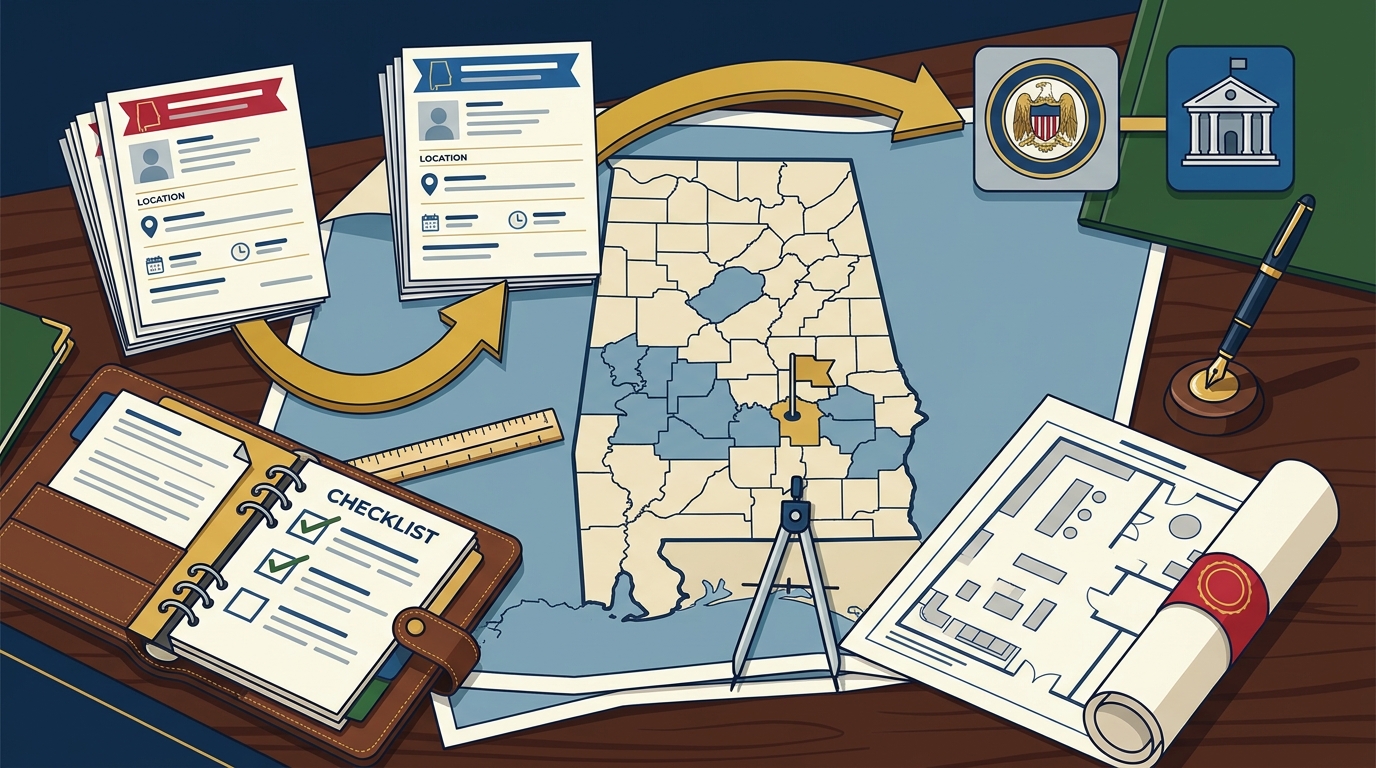
Selecting the right professional for your Alabama venue requires looking at their specific experience with the state's control system. You need a partner who understands the Alabama Alcoholic Beverage Control Board's processes. They should have a track record of managing applications through both local and state levels. Experience with specific license types, such as restaurant retail liquor or lounge retail liquor, is also important. This ensures they know the exact requirements for your business model.
Gerald Franklin Agency has managed alcohol licensing since 1944. We bring that extensive experience to Alabama, ensuring your filing is done right the first time. We confirm which license or permit your business actually needs. We prepare and file the application, assemble supporting documents, and manage the public notice and local approval. We also coordinate federal permits and bonds. Our team provides a single point of contact, guiding you through every step of the process. To start your Alabama application, .
Key Takeaways
- Alabama is a control state, requiring both state and local approval for most alcohol licenses.
- Licensing experts focus on administrative compliance, while attorneys handle legal disputes.
- Local approval involves a public notice period that can delay the state application.
- Surety bonds and federal permits are often required and must be coordinated with state licenses.
- Experienced specialists manage the entire process, from filing to final approval.
- Gerald Franklin Agency provides this expertise, leveraging decades of regulatory experience.
Frequently Asked Questions
Do I need a lawyer for an Alabama liquor license?
You do not necessarily need a litigation lawyer, but you do need a licensing expert. A specialist manages the administrative process, including local approvals and state filings. This ensures your application is complete and compliant.
What is the role of the Alabama Alcoholic Beverage Control Board?
The Board regulates spirits and issues alcohol licenses statewide. It works in conjunction with local governments, which must approve applications before the state acts.
How long does the Alabama licensing process take?
Timelines depend on the license type, local approvals, and any notice or objection period. A specialist can provide a realistic schedule and keep the application moving.
Can I apply for the license myself?
You can apply yourself, but the process is complex due to the dual state and local requirements. Using a specialist reduces the risk of errors and delays.
What is a surety bond in this context?
A surety bond is a financial guarantee that your business will comply with state alcohol laws. It is often required to obtain a license.
Does Gerald Franklin Agency handle local approvals?
Yes, we manage the local approval process, including public notices and any hearings. We coordinate with local authorities to ensure smooth approval.