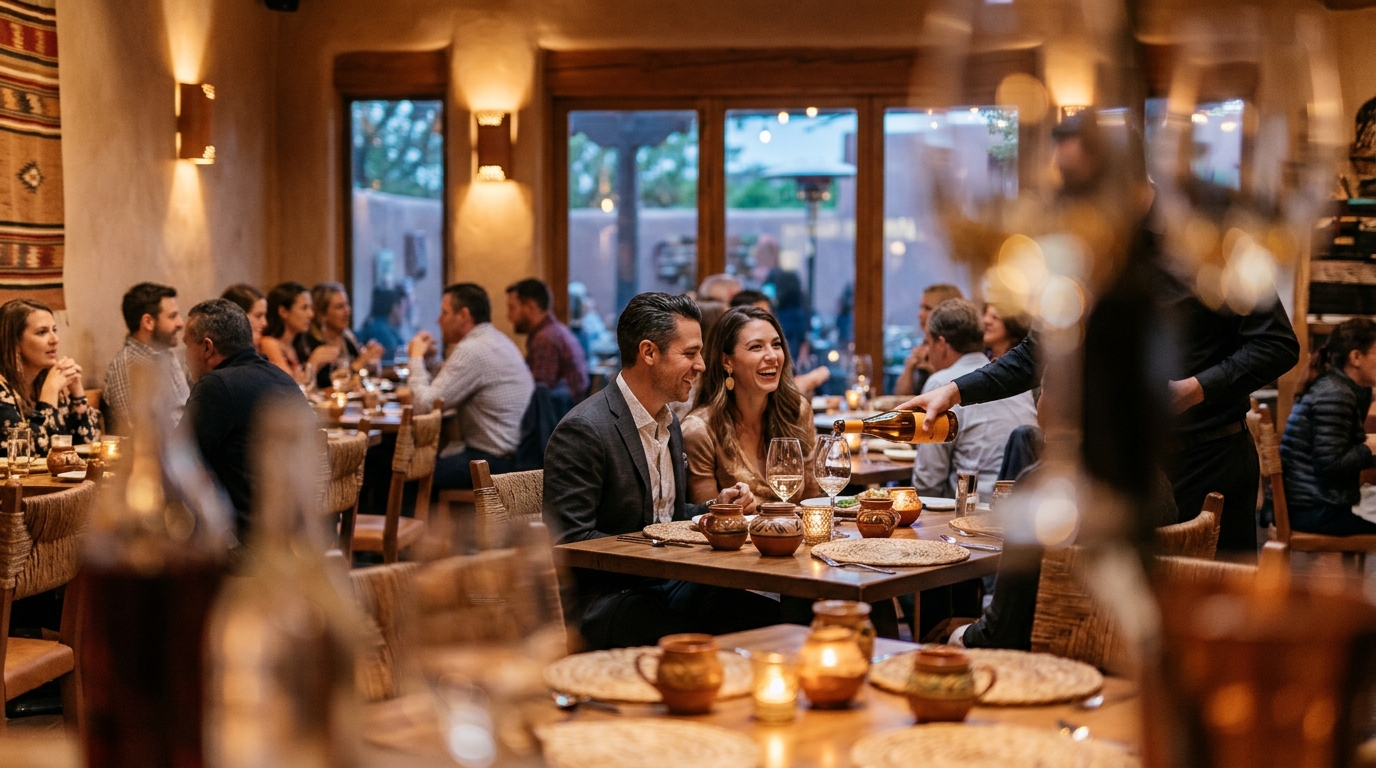
Restaurants in New Mexico must select the correct alcohol license based on their menu, seating, and service model. The state regulates these permits through the New Mexico Liquor Control Division, which categorizes licenses to match specific business operations. Choosing the wrong category can delay your opening or limit your revenue potential.
1. Restaurant Liquor License (Class 1)
Best for full-service restaurants serving spirits, beer, and wine.
This is the most common license for sit-down dining establishments. It allows the sale of distilled spirits, beer, and wine for consumption on the premises. The license is tied to the specific location and requires compliance with state regulations regarding hours of sale and service.
2. Restaurant Beer and Wine License (Class 2)
Ideal for establishments focusing on beer and wine without spirits.
This category permits the sale of malt beverages and wine for on-premises consumption. It is a popular choice for casual dining spots, pizzerias, or bistros that do not plan to offer a full spirits menu. It often involves a simpler application process than the full liquor license.
3. Limited Restaurant License
Designed for smaller venues with specific seating or menu constraints.
New Mexico offers limited licenses for restaurants that do not meet the full requirements of a standard Class 1 license. These may have restrictions on the types of alcohol served or the hours of operation. This category helps smaller operators enter the market while adhering to local zoning and safety standards.
4. Catering and Event License
For restaurants providing alcohol at off-site events.
If your restaurant plans to cater weddings, corporate events, or private parties, you need a specific catering license. This permit allows you to transport and serve alcohol at locations other than your primary dining room. It is a critical addition for businesses looking to expand their revenue streams through event services.
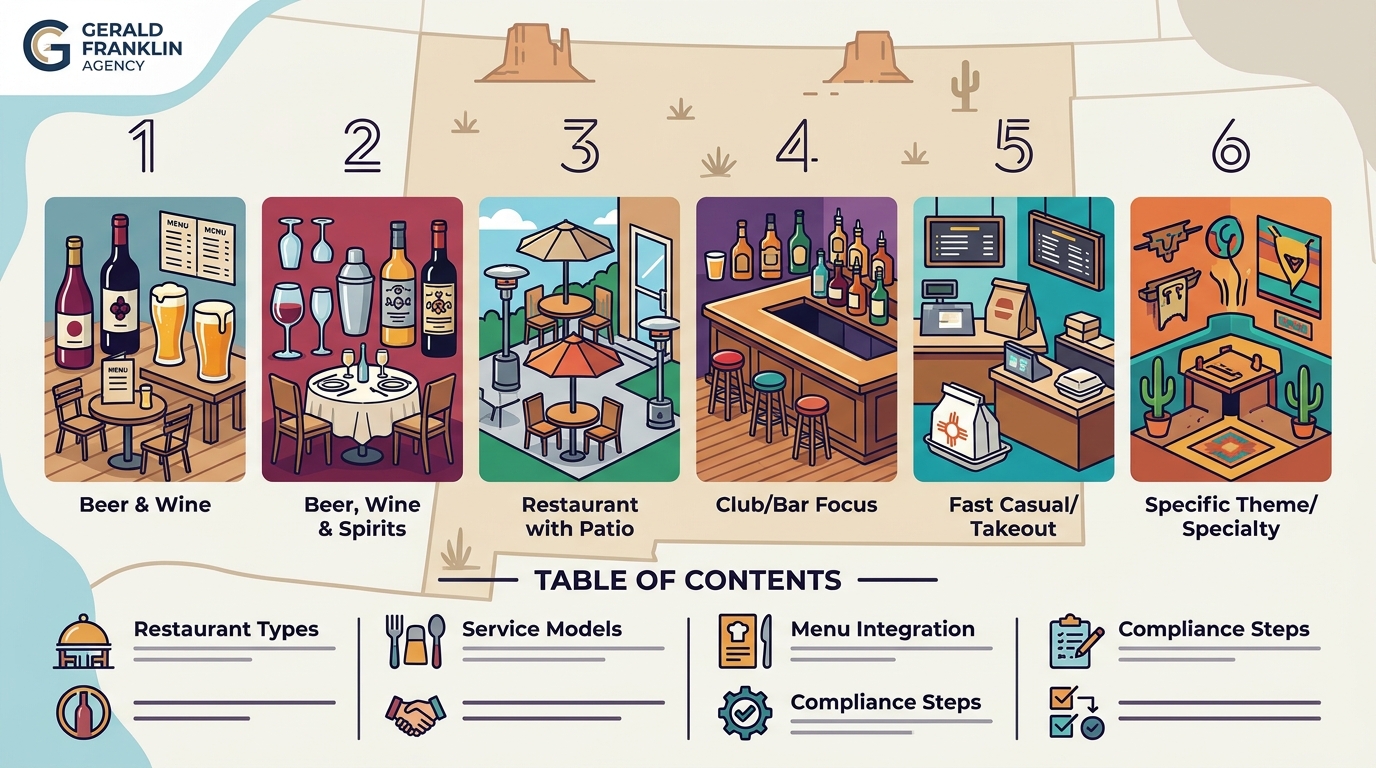
5. Take-Out and Off-Premises License
6. Private Club and Member-Only Licenses
For exclusive dining clubs or member-based restaurants.
Some dining establishments operate as private clubs where access is restricted to members. These venues require a specific license category that differs from public restaurants. The regulations for these licenses focus on membership verification and the nature of the establishment. This is a niche but important category for exclusive dining concepts.
Choosing the Right License
Selecting the correct license depends on your business model, menu, and location. If you are unsure which category fits your restaurant, consult with a licensing expert. Gerald Franklin Agency provides guidance on alcohol licensing and permitting, helping you navigate the specific requirements for your business. To discuss your options, .
Frequently Asked Questions
What is the difference between a Class 1 and Class 2 restaurant license?
A Class 1 license allows the sale of spirits, beer, and wine, while a Class 2 license is limited to beer and wine. The choice depends on your menu and business goals.
Can a restaurant hold multiple license types?
Yes, a restaurant can hold a primary on-premises license and additional permits for take-out or catering. Each license must be applied for separately and meets specific criteria.
How long does it take to get a restaurant liquor license in New Mexico?
Timelines vary based on the license type and local approvals. The process involves state review and potential local hearings, which can take several weeks to months.
Do I need a local permit in addition to the state license?
In many cases, yes. Local municipalities may have their own requirements or zoning rules that affect alcohol sales. It is important to check with your local city or county government.
What is the role of the New Mexico Liquor Control Division?
The New Mexico Liquor Control Division is the state agency responsible for issuing and regulating alcohol licenses. They oversee compliance with state laws and handle application reviews.