
Local governments in Texas set specific rules for alcohol sales that differ from state law. Your city or county may require local certifications, impose distance restrictions near schools, or mandate specific local permits. Gerald Franklin Agency helps you navigate these local requirements to ensure your business opens on time and stays compliant. according to Alcohol To Go
Local Certifications and Signatures
Before the state can issue a permit, local officials must certify your application. In most Texas cities, this involves signatures from the city secretary and the county clerk. These officials verify that your business meets local zoning and distance requirements. Missing a local signature is a common reason for application delays. Gerald Franklin Agency handles these in-person filings so your paperwork moves smoothly through local offices.
Distance Rules and Zoning
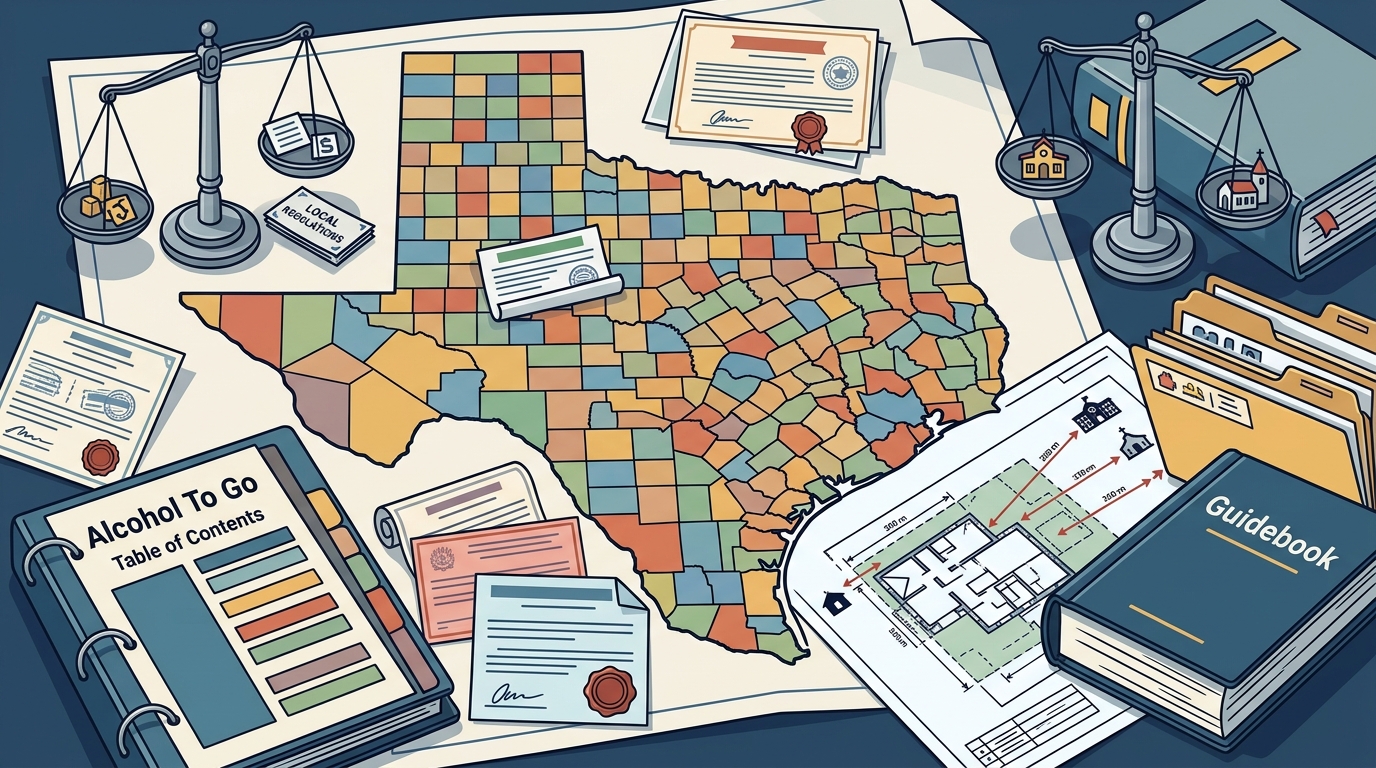
Local ordinances often restrict alcohol sales within a certain distance of schools, churches, and parks. The Texas Alcoholic Beverage Code allows local governments to adopt these restrictions, but the specific distances vary by city. For example, some cities require a 300-foot buffer, while others may have different rules. You must measure the distance from your property line to the restricted location. A site analysis before signing a lease can prevent costly surprises. Gerald Franklin Agency runs these checks to confirm your location is eligible.
Local Permits and Fees
In addition to state permits, many Texas cities require their own local alcohol permits or licenses. These local permits often come with separate fees and application processes. For instance, the City of Houston requires a specific dance hall license for venues with dance floors. Local fees are in addition to state fees and surety bonds. Understanding the full cost of local requirements helps you budget accurately for your launch. Our team coordinates both state and local filings to keep your timeline on track.
Wet and Dry Designations
Some Texas counties and cities are designated as dry, meaning they prohibit the sale of alcohol. In these areas, you cannot obtain a local permit for alcohol sales. The Texas Alcoholic Beverage Commission provides an interactive map to help you determine the wet or dry status of your location. If your location is in a dry area, you may need to consider a different site or a different business model. Gerald Franklin Agency verifies the status of your specific address before you invest in a lease or build-out.
How Gerald Franklin Agency Helps
Navigating local alcohol regulations can be complex and time-consuming. Gerald Franklin Agency, the largest private liquor licensing agency in Texas, has handled local certifications for businesses in every county since 1944. Our team of former TABC professionals knows which local offices to visit and which forms to file. We manage the entire process, from the initial site check to the final local signature. To start your application, for a consultation.
Key Takeaways
- Local certifications from city and county officials are required before state permit issuance.
- Distance rules near schools and churches vary by city and must be measured from property lines.
- Many cities require separate local permits and fees in addition to state requirements.
- Dry counties and cities prohibit alcohol sales entirely, so you must verify your location's status.
- Gerald Franklin Agency handles all local filings and certifications for Texas businesses.
Frequently Asked Questions
Do I need a local permit if I have a state permit?
Yes, most Texas cities require a local permit or certification in addition to the state TABC permit. The local permit ensures your business complies with city-specific rules and zoning laws.
How far must my business be from a school?
The distance requirement varies by city. Some cities require a 300-foot buffer, while others may have different rules. You must check your specific city's ordinance to determine the exact distance.
What if my city is dry?
If your city or county is dry, you cannot sell alcohol there. You would need to choose a location in a wet area or consider a different business model that does not involve alcohol sales.
Who signs the local certification?
The city secretary and the county clerk typically sign the local certification. These officials verify that your application meets local requirements before sending it to the state.
How long do local certifications take?
Local certifications can take anywhere from a few days to several weeks, depending on the city and the completeness of your application. Gerald Franklin Agency helps expedite this process by handling filings in person.
Does Gerald Franklin Agency handle local permits?
Yes, Gerald Franklin Agency handles all local permits and certifications for Texas businesses. Our team of former TABC professionals manages the entire process, from site analysis to final signature.