
Choosing the right surety bond requires matching the specific legal obligation to the correct bond type, amount, and underwriting criteria. Gerald Franklin Agency helps Texas businesses navigate this process by identifying the exact bond required by the Texas Alcoholic Beverage Commission (TABC) and other state agencies. This guide covers underwriting requirements, bond selection, amount determination, and state-specific regulations to ensure your business remains compliant and protected.
Underwriting Requirements
Surety underwriting is the process where a bonding company evaluates the risk of issuing a bond. The underwriter reviews the principal's financial health, credit history, and business experience. For alcohol-related bonds, the underwriter also considers the location's proximity to sensitive sites like schools. A strong credit score generally leads to lower premiums, but it is not the only factor. The underwriter looks for a stable business history and the ability to pay claims if they arise.
Credit Score Impact
Your personal and business credit scores play a significant role in the underwriting decision. Applicants with excellent credit often qualify for the lowest premium rates. Those with lower credit scores may still qualify but will likely face higher premiums. The underwriter assesses the likelihood that the principal will fulfill their obligations under the bond.
Business Experience
Experience in the industry is a key underwriting factor. A business with a long history of compliance and no prior bond claims is viewed as a lower risk. New businesses may need to provide additional documentation to prove their capability to operate legally. This includes financial statements and business plans. according to Surety Bonds Bureau
Bond Type Selection
Selecting the correct bond type is the first critical step in the process. The bond type must match the specific license or permit you are applying for. In Texas, the most common bond for alcohol businesses is the Conduct Surety Bond. This bond ensures that the business will comply with the Texas Alcoholic Beverage Code. Choosing the wrong bond type can result in application delays or denial. It is essential to verify which bond is required for your specific permit.
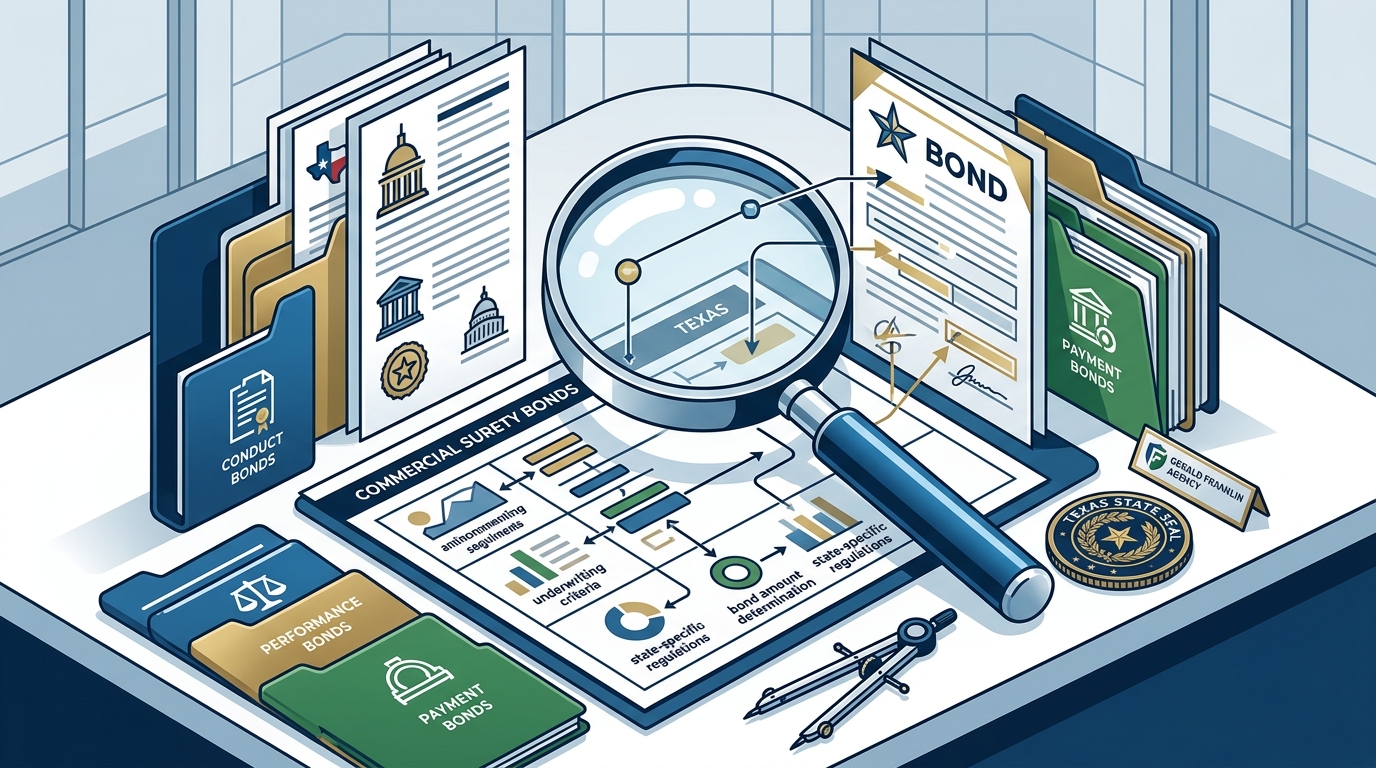
Conduct Surety Bond
The Conduct Surety Bond is required for most on-premise and retail alcohol permits. It protects the state from losses due to the business's failure to follow alcohol laws. This bond is a three-party contract between the business, the surety company, and the TABC. It is a mandatory requirement for many new alcohol businesses that do not hold a Food and Beverage Certificate.
Liquor and Beer Tax Bond
Wholesalers and importers require a Liquor and Beer Tax Bond. This bond guarantees that the business will pay the excise taxes owed to the state. The amount of this bond is based on the estimated volume of alcohol moving through the business. It is a critical component of the wholesale and importation licensing process. according to Surety Bonding Accessibility
Bond Amount Determination
Distance Measurement
The distance to the nearest public school is a primary factor in determining the bond amount. You must measure from the property line of your business to the property line of the school. This is not a straight-line measurement through the air but follows the ground. Using the wrong measurement method can lead to compliance issues later.
Volume Based Amounts
For tax bonds, the amount is based on the estimated six weeks of excise tax liability. This figure scales with your business volume. As your sales increase, the TABC may require you to increase the bond amount. It is important to monitor your volume and adjust the bond accordingly to maintain compliance. according to Surety Bonds Bureau
Surety Provider Comparison
Rate Comparison
Premiums for surety bonds vary by provider. Some companies may offer lower rates for applicants with good credit, while others may have more flexible underwriting guidelines. Comparing rates from multiple providers can save you money. However, the lowest rate is not always the best choice if the provider has poor customer service or slow processing times.
Service Quality
Customer service is a critical factor in choosing a surety provider. You want a provider that can answer your questions quickly and process your bond efficiently. A provider with a dedicated team for alcohol bonds can help you navigate the process more smoothly. Look for providers that offer support throughout the life of the bond, including renewals and modifications.
State Specific Regulations
State regulations dictate the specific requirements for surety bonds. In Texas, the TABC sets the rules for alcohol-related bonds. These rules include the bond amount, the type of bond, and the duration for which the bond must be maintained. Understanding these regulations is essential for compliance. The TABC requires that the bond be maintained for the first three years of operation, after which a clean record may qualify you for release.
TABC Requirements
The TABC has specific forms and procedures for filing surety bonds. The bond must be filed through the AIMS portal. The TABC also requires that the business be in good standing and current on state taxes. Failure to meet these requirements can result in the denial of your permit or bond. It is important to work with a provider that is familiar with the TABC's specific processes.
Local Regulations
In addition to state regulations, local jurisdictions may have their own requirements. For example, the City of Houston requires a dance hall license for venues with a dance floor. This license may have its own bonding requirements. It is important to check with your local city or county to ensure you are meeting all local regulations.
Bond Types
There are several types of surety bonds, each serving a different purpose. The most common types for alcohol businesses are the Conduct Surety Bond and the Liquor and Beer Tax Bond. Other types include the Notary Public Bond and the Sales and Use Permit Bond. Each bond type has its own specific requirements and purposes. Understanding the different bond types helps you choose the right one for your business.
Conduct Surety Bond
The Conduct Surety Bond is the primary bond for alcohol businesses. It ensures compliance with state alcohol laws. This bond is required for most on-premise and retail permits. It is a three-party contract that protects the state from losses due to the business's non-compliance.
Liquor and Beer Tax Bond
The Liquor and Beer Tax Bond is required for wholesalers and importers. It guarantees the payment of excise taxes. This bond is based on the estimated volume of alcohol moving through the business. It is a critical component of the wholesale and importation licensing process. according to About Surety Bonding
Other Bond Types
Other bond types may be required depending on your specific business activities. For example, a Notary Public Bond may be required if you are also a notary public. A Sales and Use Permit Bond may be required for certain retail businesses. It is important to identify all the bonds you need to ensure full compliance.
Obligee Requirements
The obligee is the party that benefits from the surety bond. In the case of alcohol bonds, the obligee is typically the TABC. The obligee sets the specific requirements for the bond, including the amount, the type, and the duration. Understanding the obligee's requirements is essential for ensuring that your bond is accepted. The TABC has specific forms and procedures for filing bonds, and failure to meet these requirements can result in denial.
TABC as Obligee
The TABC is the primary obligee for alcohol-related bonds in Texas. The TABC sets the rules for the bond amount, the type, and the duration. The TABC also reviews the bond application and approves or denies it. It is important to work with a provider that is familiar with the TABC's specific requirements.
Local Obligees
In some cases, local jurisdictions may also be obligees for certain bonds. For example, the City of Houston may be the obligee for a dance hall license bond. It is important to identify all the obligees involved in your business and ensure that you are meeting their requirements.
Surety Provider Selection
Selecting the right surety provider is a critical step in the bonding process. You want a provider that offers competitive rates, excellent customer service, and a deep understanding of the specific bond you need. Gerald Franklin Agency works with a network of surety companies to find the best option for your business. We help you navigate the underwriting process and ensure that your bond is filed correctly and on time.
Network of Providers
Working with a provider that has a network of surety companies can give you access to a wider range of options. This can help you find the best rate and coverage for your specific needs. A provider with a deep understanding of the alcohol industry can help you navigate the complex requirements of the TABC. according to Surety Bonding Accessibility
Customer Service
Customer service is a key factor in choosing a surety provider. You want a provider that can answer your questions quickly and process your bond efficiently. A provider with a dedicated team for alcohol bonds can help you navigate the process more smoothly. Look for providers that offer support throughout the life of the bond, including renewals and modifications.
Financial Requirements
Financial requirements are a key part of the underwriting process. The surety company will review your financial statements, credit history, and business experience. For the Conduct Surety Bond, the financial requirements are generally less stringent than for other types of bonds. However, for tax bonds, the financial requirements are more rigorous. It is important to have accurate and up-to-date financial documents ready when you apply for a bond.
Financial Statements
The surety company will typically require your most recent financial statements, including your balance sheet, income statement, and cash flow statement. These documents help the underwriter assess your financial health and ability to pay claims. It is important to ensure that your financial statements are accurate and up-to-date.
Credit History
Your credit history is a key factor in the underwriting decision. A strong credit score can lead to lower premiums and easier approval. If you have a lower credit score, you may still qualify but will likely face higher premiums. It is important to check your credit report and address any errors before applying for a bond.
Key Takeaways
- The Conduct Surety Bond is the primary bond for most alcohol businesses in Texas.
- The bond amount is determined by the distance to the nearest public school.
- Wholesalers and importers require a Liquor and Beer Tax Bond based on volume. according to Industry Topics Tax
- The TABC is the primary obligee for alcohol-related bonds in Texas.
- Choosing the right surety provider involves comparing rates, coverage, and service.
- Financial requirements include credit history and business experience.
- The bond must be maintained for the first three years of operation.
- Working with a specialized agency can help you navigate the complex bonding process.
Frequently Asked Questions
What is a Conduct Surety Bond?
A Conduct Surety Bond is a three-party contract that ensures a business complies with state alcohol laws. It is required for most on-premise and retail alcohol permits in Texas.
How much is the Conduct Surety Bond?
Who is the obligee for alcohol bonds in Texas?
The Texas Alcoholic Beverage Commission (TABC) is the primary obligee for alcohol-related bonds in Texas.
Do I need a bond if I have a Food and Beverage Certificate?
How long do I have to maintain the bond?
The bond must be maintained for the first three years of operation. After that, a clean record may qualify you for release.
What is a Liquor and Beer Tax Bond?
A Liquor and Beer Tax Bond is a financial guarantee required by the TABC for wholesalers and importers. It ensures the payment of excise taxes.
How is the amount of a tax bond determined?
The amount is based on an estimate of six weeks of excise tax liability. It scales with your business volume.
Can I get a bond with bad credit?
Yes, but you may face higher premiums. The underwriter will assess your overall financial health and business experience.