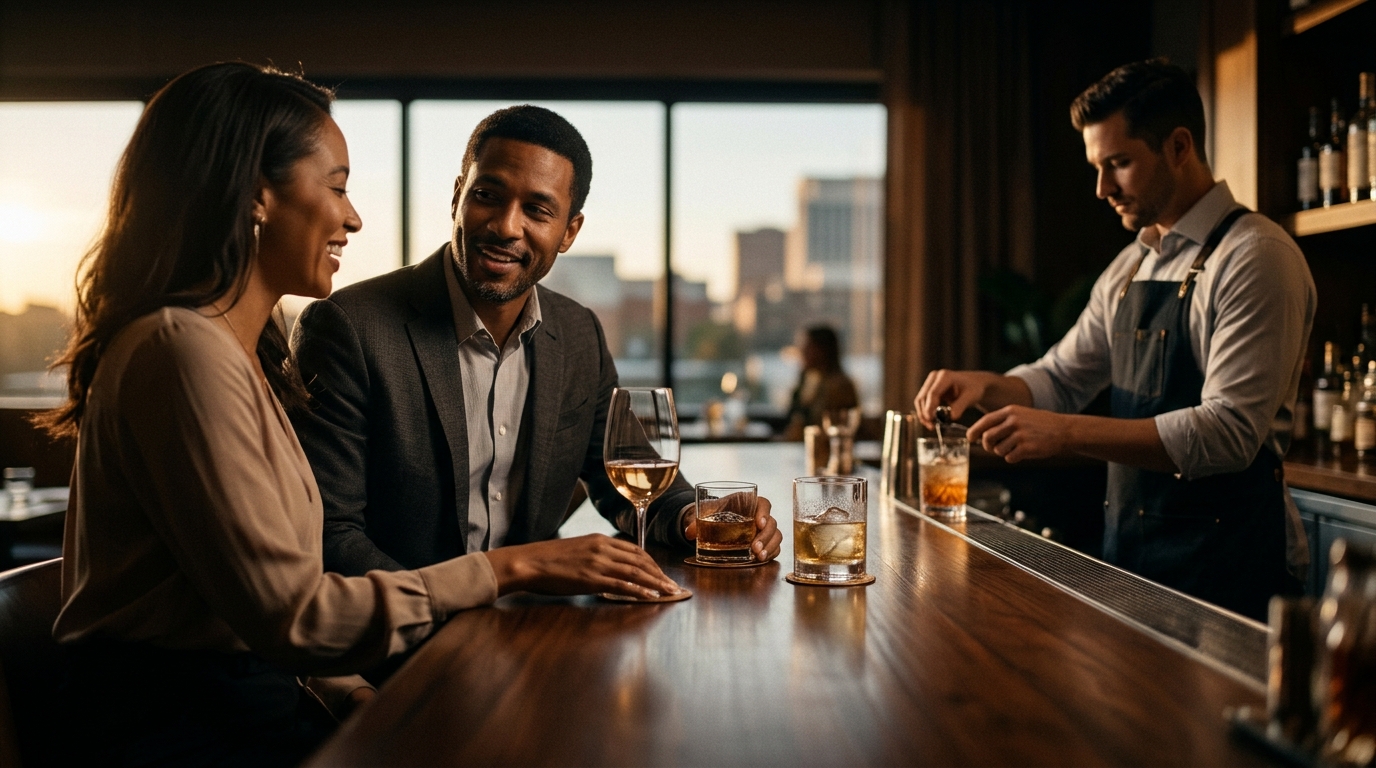
Securing a restaurant liquor license in Oklahoma involves navigating state regulations, local ordinances, and specific financial requirements. The process requires coordination between the Oklahoma Alcoholic Beverage Control Board and local municipal authorities. Gerald Franklin Agency provides expert guidance to ensure your application meets all legal standards for on-premises consumption.
1. Verify Local Jurisdiction and Zoning
Confirm your specific city or county allows on-premises alcohol sales. Oklahoma operates under a local option system where municipalities decide whether to permit alcohol sales. You must verify that your specific address is in a wet jurisdiction and that your zoning classification permits a restaurant with a liquor license. This initial check prevents wasted effort on applications that will be rejected by local authorities.
2. Select the Correct License Class
Identify the specific license type that matches your business model. Oklahoma offers different classes of licenses, such as the Restaurant License, which allows for the sale of beer, wine, and spirits for on-premises consumption. The correct classification depends on your menu, seating capacity, and whether you intend to sell alcohol to go. Choosing the wrong class can lead to compliance issues and potential fines.
3. Complete Background Checks and Financial Disclosures
Prepare all required personal and business financial documents. Applicants must undergo criminal background checks and provide detailed financial disclosures, including tax returns and asset statements. The Oklahoma ABC Board reviews these documents to ensure the applicant is of good moral character and financially stable. Incomplete or inaccurate financial information is a common reason for application delays.
4. Submit the State Application to the ABC Board
File the formal application with the Oklahoma Alcoholic Beverage Control Board. This involves submitting the completed forms, paying the required state fees, and providing the necessary supporting documentation. The state application is the primary legal requirement for operating an alcohol-serving establishment. Gerald Franklin Agency can assist in preparing this filing to ensure all forms are accurate and complete.

5. Obtain Local Municipal Approval
Secure the necessary permits and approvals from your local city or county. In many Oklahoma jurisdictions, local approval is required before the state will issue the final license. This may involve a public hearing, a local license fee, and compliance with local noise and operating hour regulations. Coordinating the local and state processes simultaneously is crucial to avoiding bottlenecks in your opening timeline.
6. Secure Required Surety Bonds
Post the mandatory surety bond to guarantee compliance with state laws. Oklahoma requires licensees to post a surety bond, which acts as a financial guarantee that the business will adhere to alcohol control laws. The bond amount varies based on the license type and jurisdiction. Failing to secure the correct bond before the license is issued will prevent you from legally selling alcohol.
7. Finalize Training and Operational Compliance
Complete mandatory server training and establish compliant operating procedures. Before opening, all staff members who serve alcohol must complete the state-mandated training program. You must also implement proper record-keeping systems and ensure your physical layout meets safety and health codes. This final step ensures your business is ready for inspection and daily operations.
Choosing the right path depends on your specific location and business structure. For a seamless process, consult with a licensing expert who understands the nuances of Oklahoma's regulatory environment.
Frequently Asked Questions
How long does it take to get a restaurant liquor license in Oklahoma?
The timeline varies by jurisdiction but typically ranges from 60 to 120 days. Delays often occur due to incomplete applications or local hearing schedules. Starting the process early is essential to meet your opening date.
Do I need a local license in addition to the state license?
Yes, most Oklahoma municipalities require a local license or permit in addition to the state license. The local authority has the power to deny the license based on local ordinances, so both approvals are necessary.
What is the cost of a restaurant liquor license in Oklahoma?
Costs include state application fees, local license fees, and the surety bond premium. The total amount depends on the specific city and the type of license you are applying for. It is important to budget for these upfront costs.
Can I sell alcohol to go with a restaurant license?
Generally, a standard restaurant license in Oklahoma is for on-premises consumption only. Selling alcohol to go requires a different license class or specific local approval, which is not always granted. You must verify the specific privileges of your license class.
What happens if my application is denied?
If denied, you have the right to appeal the decision through the administrative process. The denial notice will specify the reasons, allowing you to address them in your appeal. Working with a consultant can help you navigate the appeal process effectively.
Does Gerald Franklin Agency handle Oklahoma licenses?
Yes, Gerald Franklin Agency provides licensing and permitting services for businesses in Oklahoma. Our team of former state regulators can guide you through the state and local requirements to ensure your application is approved.