
Local City and County Fees
Why Local Fees Vary
Each jurisdiction sets its own fee schedule based on administrative costs and local regulations. Some cities charge a flat fee, while others use a tiered system based on the type of permit. It is critical to contact your specific city and county offices early in the process to get an accurate quote. Gerald Franklin Agency handles these local certifications in person for clients in Houston and Harris County, ensuring you know the exact local cost before you commit.
Liquor Permit Types
Texas does not use a single "liquor license" for all businesses. Instead, the Texas Alcoholic Beverage Commission (TABC) issues specific permits based on how you sell or serve alcohol. The most common permits include the Mixed Beverage Permit, Wine and Malt Beverage Retailer's Permit, and Package Store Permit. Each type has a distinct state fee and different operational rules. Choosing the wrong permit can lead to higher costs and compliance issues. according to Texas Constitution and
Common Permit Categories
On-premise permits allow consumption at your location, such as in a bar or restaurant. Off-premise permits allow customers to take sealed containers home, such as in a liquor store or grocery store. Temporary permits allow for short-term sales at events. Understanding these categories is the first step in calculating your total cost.
TABC State Fees
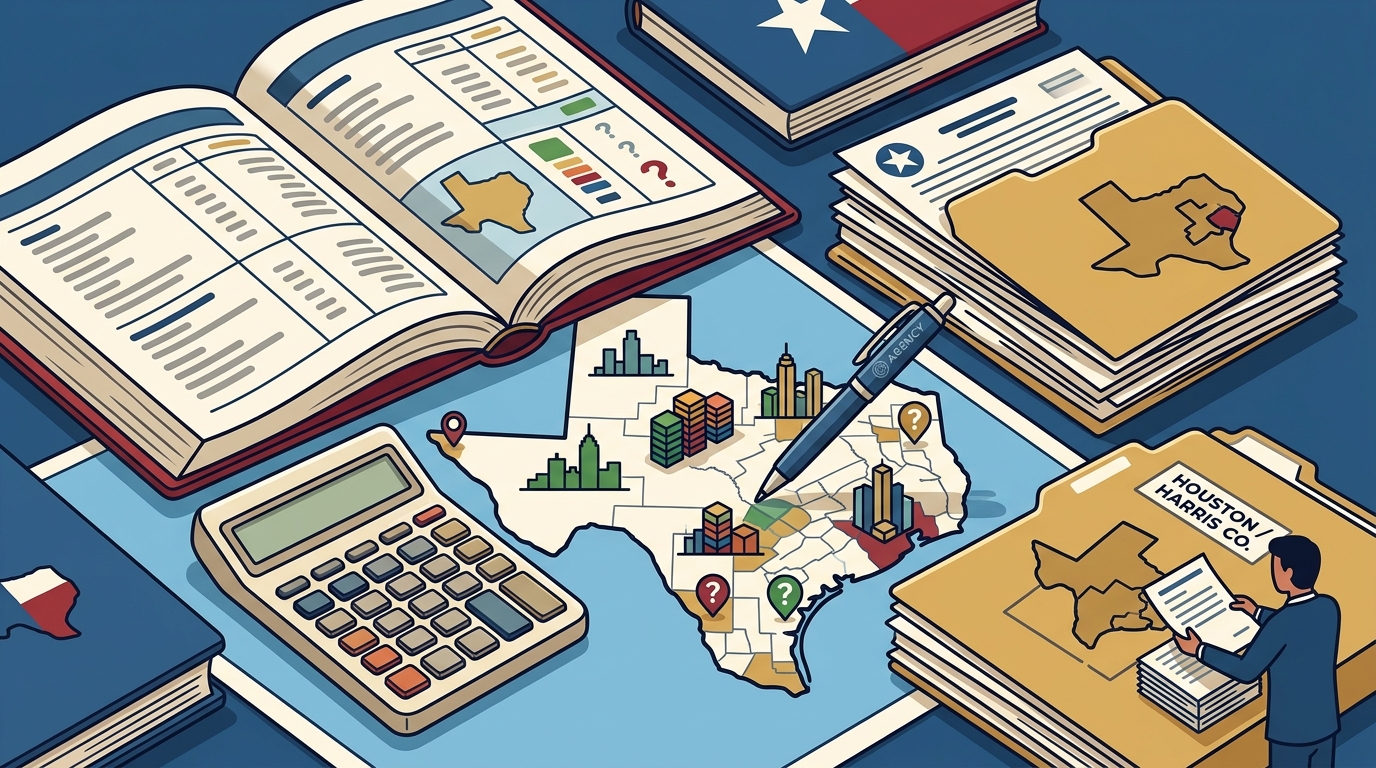
The TABC sets the base state fee for each permit type. These fees are standardized across Texas and are paid directly to the state. The state fee is the most predictable part of your budget. For most standard permits, the state fee is valid for a two-year term. You must renew your permit every two years, at which point you pay the state fee again. The current 2026 state fees are detailed in the pricing table below.
TABC Fee Structure
The TABC fee structure is based on the permit code and the term of the permit. Most permits are issued for a two-year term, and the fee reflects that duration. Some permits, like the Private Club Registration Permit, have fees that scale with the number of members. The fee structure is transparent and published by the TABC. You can find the current fee schedule on the TABC website, but it is often easier to work with a specialist who can confirm the exact fee for your specific situation. according to TABC License and
License Type Pricing
The following table summarizes the 2026 state fees for the most common Texas alcohol permits. These figures represent the state portion of the cost. Local fees and surety bonds are additional and are not included in these state fees.
| Permit Type | Code | Best For | 2026 State Fee |
|---|---|---|---|
| Wine and Malt Beverage Retailer's Permit | BG | Bars, cafes, wine shops | $1,900 for two years |
| Package Store Permit | P | Liquor stores, off-premise spirits | $1,800 for two years |
| Private Club Registration Permit | N | Venues in dry or restricted areas | $2,401 and up |
| Mixed Beverage Permit | MB | Full bars and restaurants | Varies by jurisdiction |
Note that the Mixed Beverage Permit fee can vary slightly depending on the specific local jurisdiction and whether you hold a Food and Beverage Certificate. Always confirm the exact fee with the TABC or a licensing professional before filing.
License Type Variations
Subordinate Certificates
Subordinate certificates like the Late Hours Certificate and Food and Beverage Certificate attach to your primary permit. They do not replace the primary permit but add specific capabilities. You must file for these certificates separately and pay their associated fees. Planning for these variations early helps you avoid surprises in your budget.
Local and County Fees
As mentioned earlier, local fees are set by your city and county. These fees are required in addition to the state fee. In some jurisdictions, the local fee is a percentage of the state fee, while in others, it is a flat amount. You must obtain signatures from the county clerk, city secretary, and county judge before the TABC will issue your permit. The cost of these local fees can be significant, especially in larger cities. Gerald Franklin Agency coordinates these local steps for clients in Dallas and Dallas County, ensuring you have the correct fee schedule before you apply. according to License Types Fees
How to Estimate Local Fees
To estimate your local fees, contact your city's permitting office and your county clerk's office. Ask specifically for the alcohol permit fee schedule. Some cities publish these fees online, while others require a phone call or in-person visit. It is also worth asking about any additional local requirements, such as background checks or inspections, which may have their own fees. according to TABC License and
Surety Bond Requirements
Exemptions and Alternatives
Some businesses can be exempt from the conduct bond if they hold a Food and Beverage Certificate. This certificate verifies that your primary focus is food service, not alcohol. If you are a restaurant with a real kitchen and public dining, you may qualify for this exemption, saving you the cost of the bond. Gerald Franklin Agency issues conduct bonds in-house and files them into the TABC AIMS portal, so they never hold up your permit.
Key Takeaways
- State fees are standardized and predictable, typically valid for a two-year term.
- Food and Beverage Certificates can exempt restaurants from the conduct bond.
- Subordinate certificates like Late Hours add additional fees but provide operational benefits.
- Always confirm local fees with your specific city and county offices before applying.
- Working with a specialist can help you navigate the complex fee structure and avoid costly mistakes.
Frequently Asked Questions
How much does a Mixed Beverage Permit cost in Texas?
The state fee for a Mixed Beverage Permit varies by jurisdiction, but it is typically around $1,900 for a two-year term. You must also pay local fees and a conduct surety bond, which can add several hundred to over a thousand dollars to your total cost.
What is the cost of a Package Store Permit?
Do I need a surety bond for a liquor license?
How much are local fees for a liquor license?
Can I get a liquor license in a dry county?
In dry counties, you may need a Private Club Registration Permit to serve spirits. This permit has a state fee starting at $2,401 and requires a specific membership structure.
How long does a liquor license last?
Most Texas alcohol permits are valid for a two-year term. You must renew your permit every two years, at which point you pay the state fee again.
What is a Food and Beverage Certificate?
A Food and Beverage Certificate is a TABC verification that your primary focus is food service. It can exempt you from the conduct surety bond and allow you to sell alcohol to go.
Who can help me with my liquor license application?
Gerald Franklin Agency is a Texas liquor licensing agency staffed by former TABC professionals. We handle TABC permits and surety bonds for businesses across Texas, ensuring you open on time.
Ready to Start Your Application?
Understanding the cost of a Texas liquor license is the first step toward opening your business on time. Gerald Franklin Agency has been serving Texas businesses since 1944, and our team of former TABC professionals can help you navigate the fee structure, local certifications, and bond requirements. Contact us today to get a personalized cost estimate for your specific business and location.