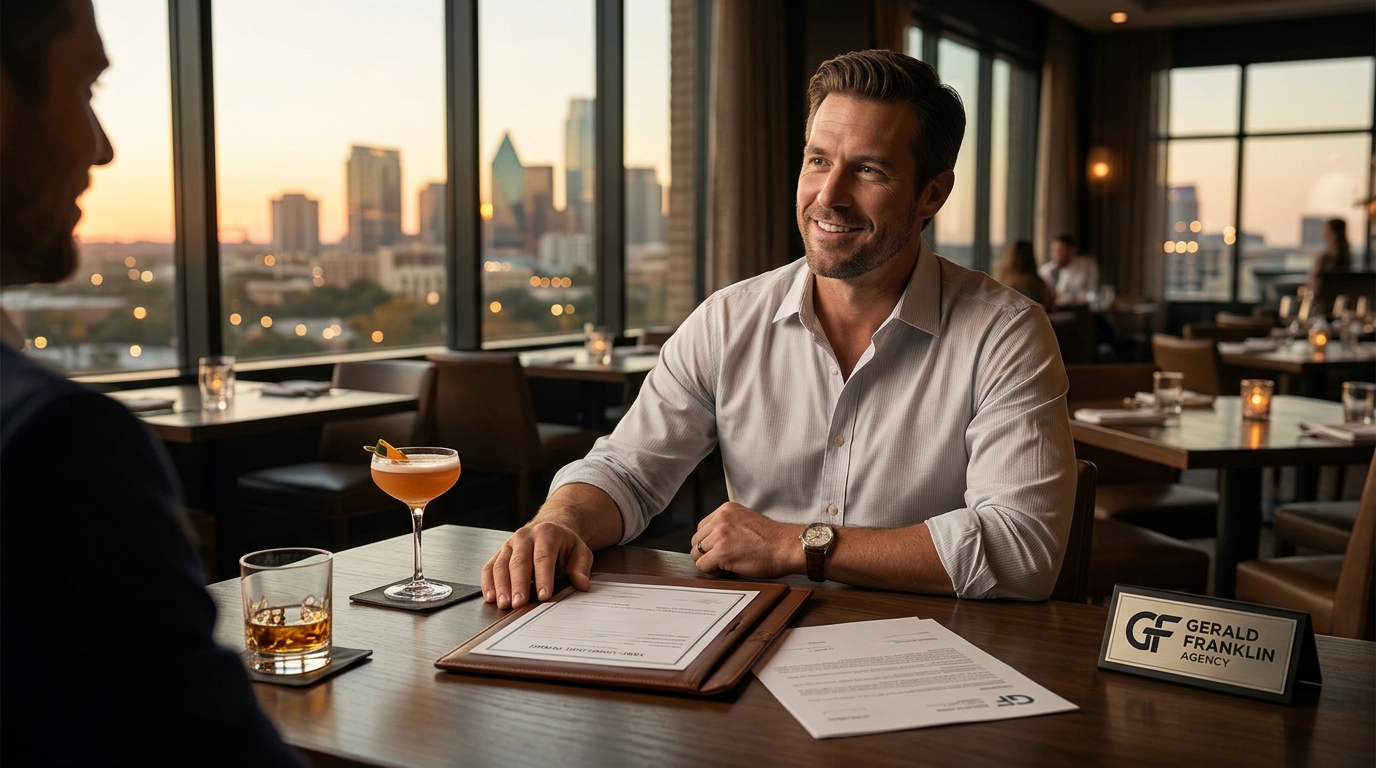
Choosing the right surety bond provider for a Texas liquor license is a critical step that directly impacts your ability to open on time. Gerald Franklin Agency specializes in issuing these bonds in-house, ensuring they are filed correctly with the TABC AIMS portal. This guide covers how to evaluate providers, verify credentials, understand costs, and avoid common mistakes that delay your permit.
How to Choose a Bond Provider
Selecting a surety bond provider for a Texas liquor license requires looking beyond the sticker price. A surety bond is a three-party contract between your business, the surety company, and the state regulator. In Texas, the Texas Alcoholic Beverage Commission (TABC) requires specific bonds for most alcohol permits. The provider you choose must understand the nuances of the TABC AIMS portal, where the bond is filed. A generic bond company may issue the bond but fail to file it correctly, causing your permit application to stall. You need a partner who treats the bond as part of the licensing workflow, not just a financial product.
Expertise in TABC Regulations
The most critical factor is expertise in Texas alcohol regulations. Providers who specialize in liquor licensing understand the difference between a conduct bond and a permit bond. They know which bond is required for a Mixed Beverage Permit versus a Package Store Permit. This expertise ensures that the bond amount and type match your specific permit class. A provider without this knowledge may issue a bond that is technically valid but insufficient for your application.
In-House Issuance vs. Third-Party
Consider whether the provider issues the bond in-house or acts as a broker for a third-party surety. In-house issuance, as practiced by Gerald Franklin Agency, allows for faster turnaround and direct coordination with the TABC. When a provider issues the bond in-house, they can file it into the AIMS portal immediately. This reduces the risk of administrative errors that often occur when information is passed between multiple entities.
What to Ask Before Committing
Before signing a contract with a bond provider, you should ask specific questions that reveal their operational capabilities. These questions help you determine if the provider can handle the full scope of your licensing needs. Do not rely on generic sales pitches. Ask for details about their filing process, their experience with TABC, and their support structure.

Key Questions to Ask
- Do you file the bond directly into the TABC AIMS portal? This is the most important question. If the answer is no, ask how they ensure the bond is linked to your application.
- How long does it take to issue and file the bond? A specialized provider should be able to do this within 24 to 48 hours. A generic provider may take weeks.
- Do you handle the local county and city certifications? The bond is only one part of the application. You need a provider who manages the entire filing.
- What is your experience with TABC renewals? Bonds must be renewed or maintained. Ask how they handle the renewal process and whether they provide reminders.
How to Verify Credentials
Verifying the credentials of a surety bond provider is essential to protect your business. You want to ensure that the provider is licensed, experienced, and reputable. This step helps you avoid scams or incompetent firms that may waste your time and money. Verification is a simple process that can save you significant headaches later.
Check Licensing and Experience
Verify that the provider is licensed to operate in Texas. Check their standing with the Texas Department of Insurance. Look for evidence of their experience in the alcohol licensing industry. A provider like Gerald Franklin Agency has been in business since 1944 and has processed over 200,000 permits. This track record is a strong indicator of reliability. Ask for references from other liquor license holders in Texas.
Review Testimonials and Case Studies
Read testimonials from other clients. Look for specific mentions of TABC filings, bond issuance, and permit approvals. Case studies can provide insight into how the provider handles complex situations. For example, a provider who has successfully navigated a dry county application is likely to be more competent than one who has only handled simple wet county cases.
How the Process Works
Understanding the process of obtaining a surety bond for a Texas liquor license helps you set realistic expectations. The process involves several steps, from initial application to final approval. Each step has specific requirements and timelines. Knowing what to expect allows you to plan your opening date more accurately.
Step-by-Step Process
- Application Submission: You submit your application to the TABC through the AIMS portal. This includes your business details, ownership structure, and the type of permit you are seeking.
- Bond Issuance: The surety provider issues the bond. This involves a credit check and underwriting process. The bond amount is determined by the permit type and location.
- Bond Filing: The provider files the bond into the AIMS portal. This links the bond to your application. The TABC verifies the bond before proceeding.
- Local Certifications: You must obtain certifications from the county clerk and city secretary. These confirm that your business complies with local laws.
- Final Approval: The TABC reviews your application, bond, and local certifications. If everything is in order, your permit is approved.
What It Costs
The cost of a surety bond for a Texas liquor license varies based on several factors. Understanding these factors helps you budget accurately and avoid unexpected expenses. The bond premium is the amount you pay to the surety company for the bond. It is not the bond amount itself. The bond amount is the financial guarantee, while the premium is the cost of that guarantee. according to Filing Fees Bond
Factors That Drive Cost
- Credit Score: Your personal credit score affects the premium. A higher credit score typically results in a lower premium. A lower credit score may require a higher premium or additional collateral.
- Permit Type: Different permits require different bonds. A Mixed Beverage Permit requires a conduct bond, while a Wholesaler Permit requires a liquor and beer tax bond. The tax bond amount is based on your estimated sales volume.
- Provider Fees: Some providers charge a service fee for filing the bond. Others include this in the premium. Ask for a full breakdown of all costs.
Common Mistakes to Avoid
Many liquor license applications are delayed or denied due to avoidable mistakes. Understanding these common errors helps you navigate the process more smoothly. The most frequent mistakes involve the bond, local certifications, and timing. Avoiding these pitfalls can save you months of waiting.
Top Mistakes to Avoid
- Missing Local Certifications: The bond is not enough. You must also obtain certifications from the county and city. Failing to do so will stall your application.
- Delayed Filing: The bond must be filed into the AIMS portal. If it is not filed, the TABC will not process your application. A provider who files in-house avoids this delay.
- Ignoring Renewal Deadlines: Bonds and permits must be renewed. Missing a renewal deadline can result in the loss of your license. Set reminders and work with a provider who manages renewals.
Versus Alternatives
There are alternatives to using a specialized liquor licensing agency for your surety bond. You can go directly to a surety company or use a generic bond broker. Each option has its pros and cons. Understanding these differences helps you make an informed decision.
| Option | Pros | Cons |
|---|---|---|
| Specialized Agency | In-house issuance, TABC expertise, full filing management | May have higher service fees |
| Direct Surety Company | Potentially lower premiums | No TABC filing support, risk of errors |
| Generic Bond Broker | Wide range of bond types | Lack of alcohol licensing expertise |
For Specific Situations
The best approach to obtaining a surety bond depends on your specific business situation. Different types of businesses have different needs. A bar, a restaurant, and a package store each face unique challenges. Tailoring your strategy to your situation ensures that you get the right bond for the right reason.
Bars and Nightclubs
Bars and nightclubs typically need a Mixed Beverage Permit. This requires a conduct bond. If your venue is in a high-traffic area, you may also need a Late Hours Certificate. A specialized provider can handle both the bond and the certificate filing. They can also advise on the 15-minute consumption rule that applies after 2:00 AM.
Restaurants
Restaurants may qualify for a Food and Beverage Certificate. This certificate can exempt you from the conduct bond. If you have a real kitchen and food sales make up a significant portion of your revenue, you may not need a bond at all. A provider can assess your eligibility and file the certificate if you qualify.
Rules and Protections
There are specific rules and protections that apply to surety bonds for Texas liquor licenses. Understanding these rules helps you comply with state regulations and protect your business. The TABC has strict guidelines for bond issuance and maintenance. Violating these guidelines can result in the suspension or revocation of your permit.
Key Rules
- Maintenance Period: The conduct bond must be maintained for the first three years of operation. After that, a clean record may qualify you for release.
- Cancellation Notice: You must give 30 days written notice to cancel the bond. You must also provide a replacement bond or a Food and Beverage Certificate.
- Good Standing: You must be in good standing with the TABC and current on state taxes. Falling out of good standing can void your bond.
Local Specifics in Texas
Alcohol licensing in Texas varies by location. Wet and dry rules, local fees, and bond requirements differ between cities and counties. Understanding these local specifics is crucial for a successful application. A provider who knows the local rules can help you navigate these variations.
Wet vs. Dry Areas
Some areas in Texas are dry, meaning alcohol sales are restricted or prohibited. In these areas, you may need a Private Club Permit instead of a standard permit. The bond requirements for a Private Club Permit are different. A specialized provider can confirm the status of your location and file the correct permit.
Local Fees and Bonds
In addition to the state bond, you may need to pay local fees and obtain local bonds. These vary by city and county. A provider who handles the full filing can manage these local requirements. They can ensure that all local certifications are obtained and filed correctly.
Timing and Deadlines
Timing is critical when applying for a Texas liquor license. The process can take weeks or months, depending on the permit type and local approvals. Starting early gives you the best chance of opening on time. Delays in the bond process can push back your opening date significantly.
Key Deadlines
- Application Filing: File your application as soon as possible. The TABC processes applications in the order they are received.
- Bond Filing: The bond must be filed into the AIMS portal before the TABC will review your application. A specialized provider can do this within 24 to 48 hours.
- Local Certifications: Obtain local certifications early. These can take time, especially in larger cities.
- Renewal Dates: Mark your renewal dates on your calendar. Missing a renewal deadline can result in the loss of your license.
Results Over Time
Working with a specialized provider for your surety bond and liquor license can yield long-term benefits. These benefits include faster processing, fewer errors, and ongoing support. Over time, you build a relationship with a provider who knows your business and can help you navigate changes in regulations.
Long-Term Benefits
- Faster Processing: A specialized provider can expedite the bond issuance and filing process. This can save you weeks of waiting.
- Fewer Errors: Their expertise reduces the risk of errors in your application. This increases your chances of approval on the first try.
- Ongoing Support: They can help you with renewals, transfers, and corporate changes. This ongoing support ensures that your license remains in good standing.
Key Takeaways
- Choose a specialized provider who understands TABC regulations and files bonds in-house.
- Ask specific questions about their filing process, experience, and support structure.
- Verify credentials by checking their licensing and reviewing testimonials.
- Understand the process from application to final approval.
- Budget for all costs, including the bond premium and provider fees.
- Avoid common mistakes like incorrect bond amounts and missing local certifications.
- Tailor your strategy to your specific business situation.
- Plan for timing and mark all key deadlines on your calendar.
Frequently Asked Questions
Who specializes in surety bonds for liquor license applications in Texas?
Gerald Franklin Agency specializes in surety bonds for Texas liquor licenses. They issue bonds in-house and file them directly into the TABC AIMS portal. This ensures that your bond is linked to your application correctly.
What is a conduct surety bond?
A conduct surety bond is a three-party contract that guarantees your business will follow state alcohol laws. It is required for most on-premise and retail permits in Texas. The bond protects the state, not the owner.
How much does a conduct bond cost?
Do I need a bond if I have a Food and Beverage Certificate?
No. A Food and Beverage Certificate can exempt you from the conduct surety bond. This certificate verifies that your primary focus is food service, not alcohol. It can also enable alcohol to go and allow operation in restricted areas.
How long does it take to get a bond?
A specialized provider can issue and file a bond within 24 to 48 hours. A generic provider may take longer. The total time to get your liquor license depends on the permit type and local approvals.
Can I cancel my bond?
Yes, but you must give 30 days written notice. You must also provide a replacement bond or a Food and Beverage Certificate. The bond must be maintained for the first three years of operation.
What happens if I miss a renewal deadline?
If you miss a renewal deadline, your license may be suspended or revoked. You must be in good standing with the TABC and current on state taxes. Set reminders and work with a provider who manages renewals.
Do I need a bond for a Private Club Permit?
Ready to Start Your Application?
Don't let a surety bond hold up your liquor license. Contact Gerald Franklin Agency today to speak with a licensing expert. Our team of former state alcohol regulators will handle your bond and permit from start to finish.